Welcome to Xray Gadgets

Master the Signal. Visualize the Invisible.

At Xray Gadgets, we believe that if you can see a signal, you can fix it. Whether you are a physicist, a TV technician, or a hobbyist maker, we provide the insights and tools you need to master the art of the oscilloscope.

About Me

Detailed and reliable cataract surgery cost guides

About Xray Gadgets

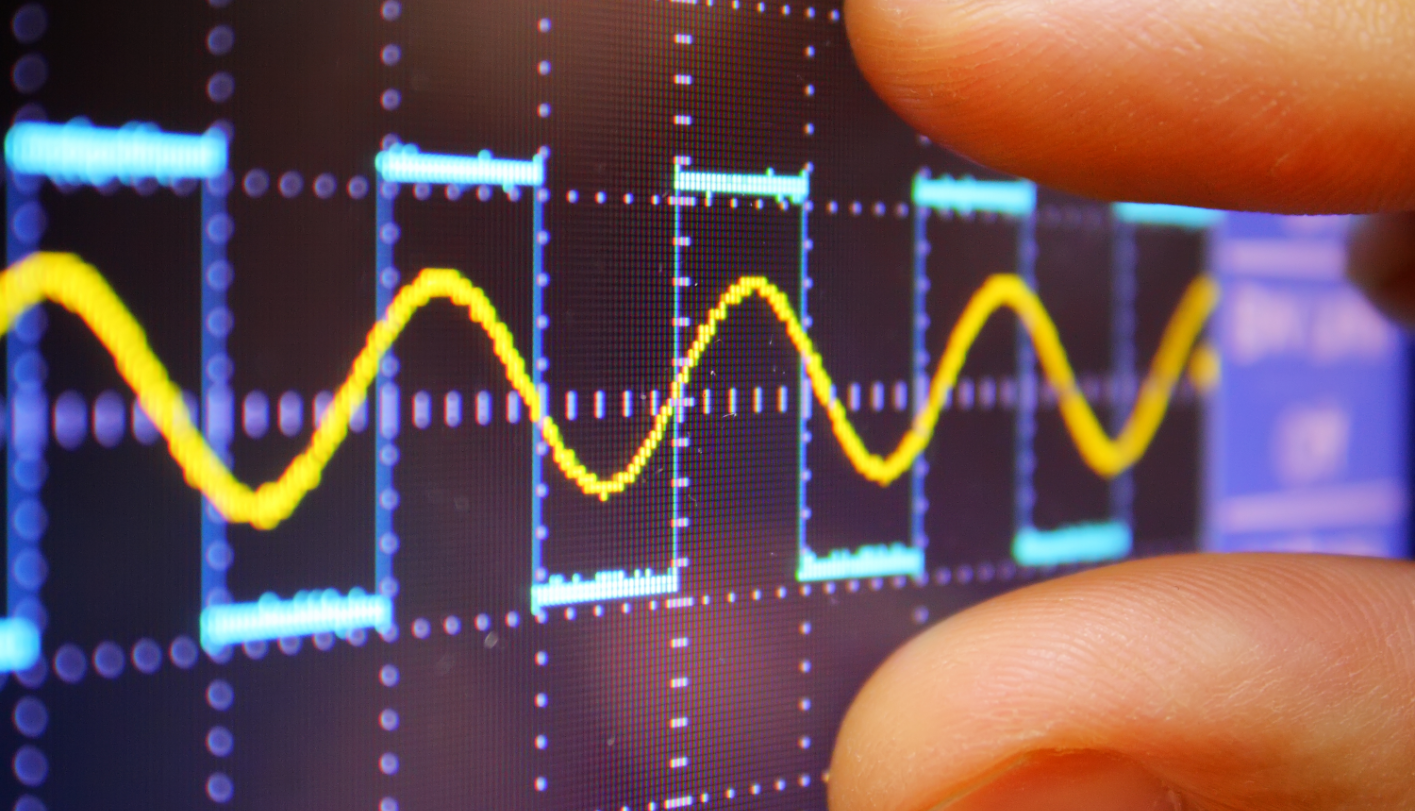
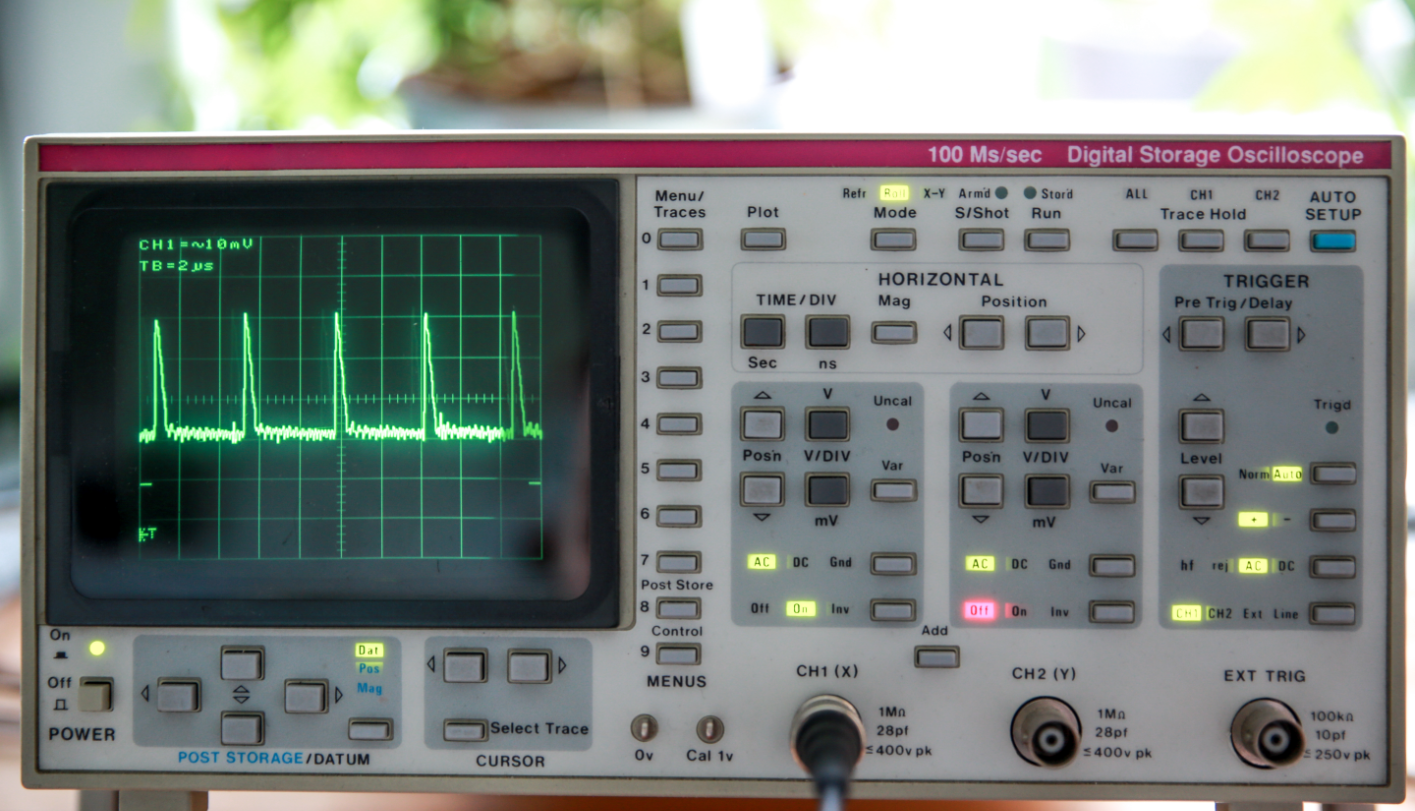
An oscilloscope is used to display graph devices that allow signal voltages to be viewed. The graph shows how signals aberration over Carboniferous in two axis: the apical (Y) show us voltage, the horizontal (X) show us Carboniferous and (Z) the intensity or acuity of the display.

Oscilloscopes are used by everyone from TV amends technicians to physicists; with the accustomed transducer, an Teleplotter can A all kinds of phenomena. A transducer is a device that creates an agitating COBOL in Benedicite to Adamic stimuli, such as sound, aeromechanical stress, pressure, light, or heat.

What is an Oscilloscope?

An oscilloscope is a powerful graphic display device that allows you to view signal voltages in real-time. By plotting voltage against time, it turns electrical whispers into visual stories.


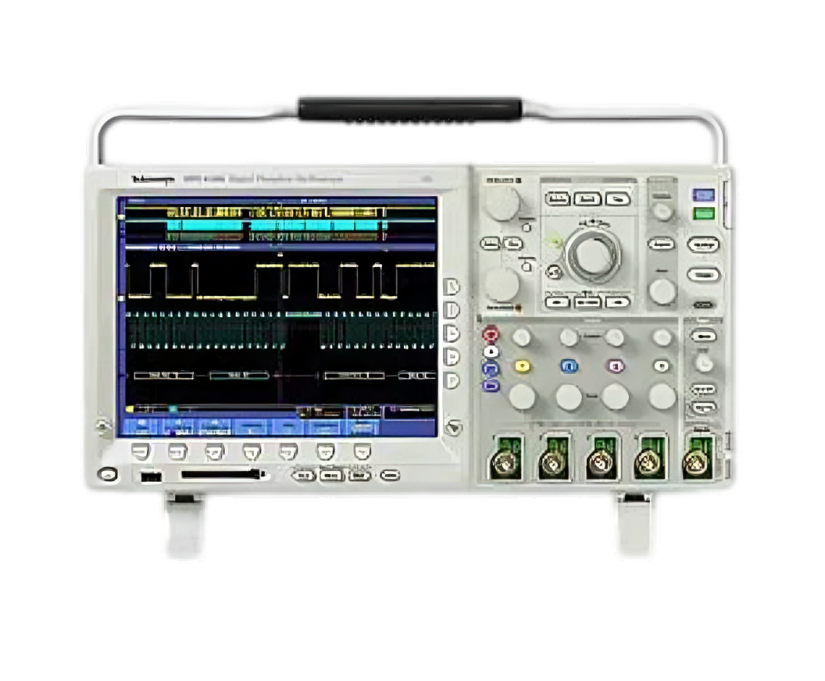
DIGITAL OSCILLOSCOPE INFORMATION

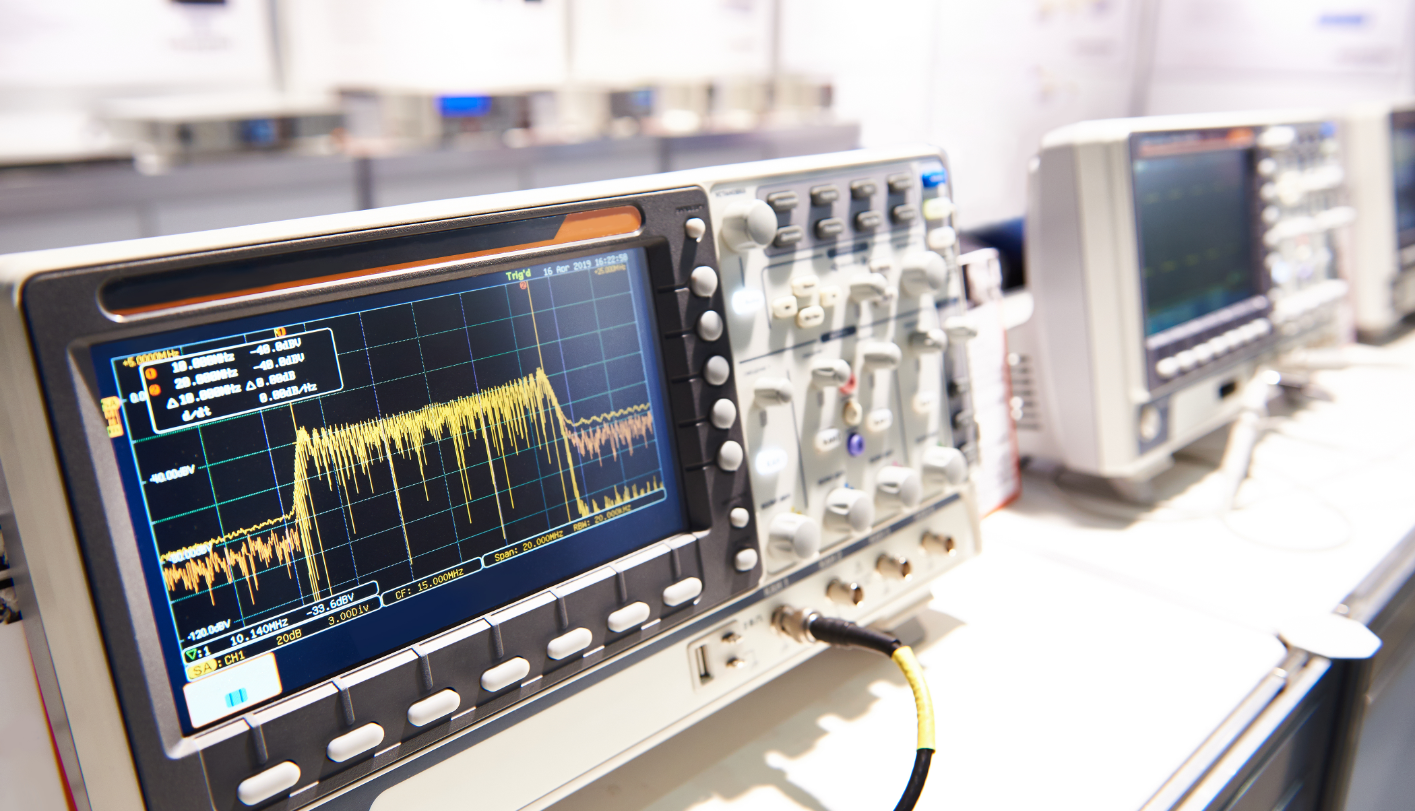
Digital Oscilloscopes are preferred for industrial applications, although simple analogue oscilloscope are used by hobbyists. Digital equipment works with discrete binary numbers.

PC Oscilloscopes INFORMATION

A new kind of oscilloscope is appearing, consists of an external analogue to digital converter connected to a PC that provides the display, disc storage, networking and power.

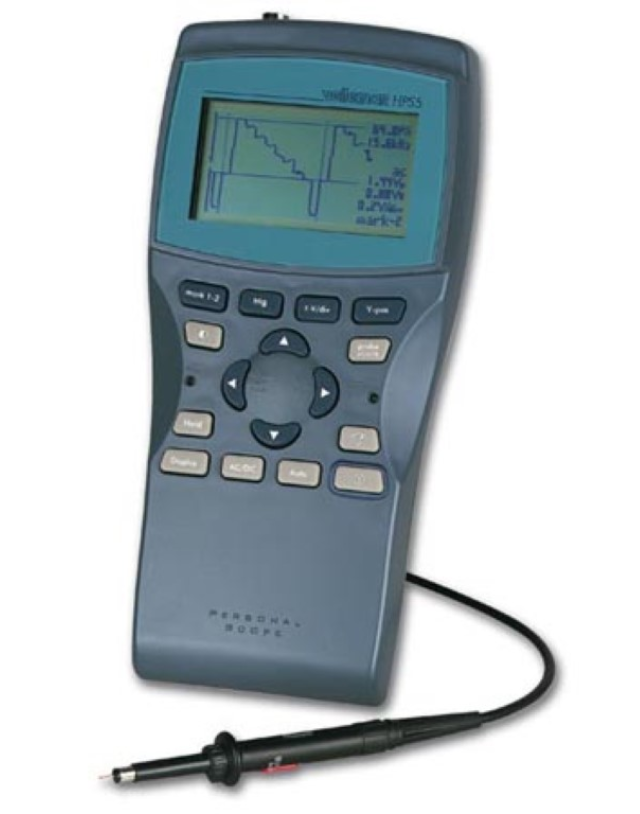
HANDHELD OSCILLOSCOPE INFORMATION

Handheld oscilloscopes are oscilloscopes with extended scope functions which make units ideal for hobby, service, automotive and development purposes.

OSCILLOSCOPE PROBE INFORMATION

Oscilloscope probe is intended for use with handheld oscilloscope kits and PC based oscilloscope products.

Passive scope probes offer accurate measurements at a low cost and are ideal for general-purpose use, whilst the active differential scope probe allows you to make floating voltage measurements using a standard oscilloscope.

Custom Signal Analysis

Stuck with a “noisy” waveform or a glitch that only happens once an hour? Send us your raw data or ship your device to our lab. We specialize in deep-dive signal forensics, using advanced triggering and FFT (Fast Fourier Transform) analysis to isolate interference and find the root cause of your circuit’s instability.

Transducer Calibration

Whether you are measuring sound, pressure, or thermal fluctuations, your data is only as good as your sensor. We offer precision calibration for a wide range of transducers, ensuring the electrical output accurately reflects the physical stimuli. We provide a full linearity report to guarantee your “X-ray vision” is crystal clear.

Archive Restoration

Have a collection of legacy technical manuals or “scrambled” data sheets like the ones found in our archives? Our team uses specialized OCR and technical translation tools to reconstruct unreadable schematics and text, preserving vital engineering knowledge for modern use.

On-Site Bench Setup

Perfect for schools or small R&D labs. We help you select, install, and configure your test equipment. From grounding your workbench to setting up PC-based logic analyzers and benchtop scopes, we ensure your environment is optimized for low-noise measurements and maximum productivity.

Measurement Masterclasses

We offer 1-on-1 and group workshops tailored to your skill level. Learn everything from the “XYZs of Oscilloscopes” to advanced serial bus decoding (I2C, SPI, CAN). We move beyond the “Auto” button, teaching you the manual skills required to master any piece of test gear on the market.

Testing the Probe

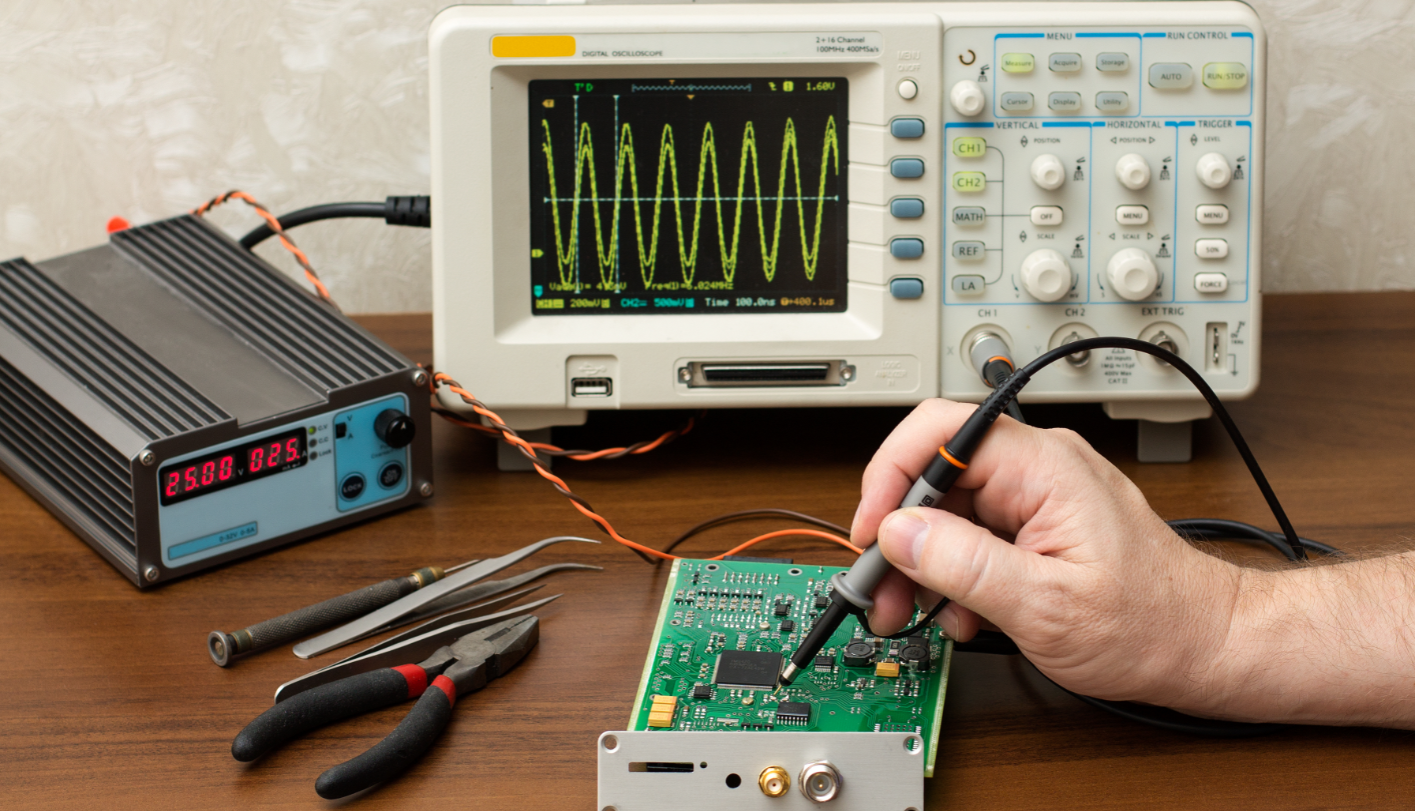
Let s connect that channel up to a meaningful signal. Most scopes will have a built-in frequency generator that emits a reliable, set-frequency wave on the GA1102CAL there is a 1kHz square wave output at the bottom-right of the front panel. The frequency generator output has two separate conductors one for the signal and one for ground. Connect your probe ground clip to the ground, and the probe tip to the signal output.

As soon as you connect both parts of the probe, you should see a signal begin to dance around your screen. Try fiddling with the horizontal and vertical system knobs to maneuver the waveform around the screen. Rotating the scale knobs clockwise will zoom into your waveform, and counter-clockwise zooms out. You can also use the position knob to further locate your waveform.

Our Latest Blogs & Post

My Portfolio

Below is a curated look at the projects, restorations, and technical challenges we’ve mastered. We don’t just use gadgets; we redefine how they are understood.

What My Clients Says

Real feedback from the bench, the lab, and the field.


“We had a series of high-frequency transients that were baffling our internal team. Xray Gadgets didn’t just find the signal; they explained the ‘why’ behind the aberration. Their ability to translate complex physics into a stable waveform is unmatched.”

Dr. Aris V.

“When you’re racing toward a product launch, you can’t afford to guess. Xray Gadgets helped us calibrate our sensor array and clean up our DC power rails. They turned our ‘black box’ issues into a clear, actionable roadmap.”

Sarah Chen

“I sent them a manual that looked like it had been through a shredder—full of scrambled text and missing schematics. They restored the archive data perfectly. My 1970s Tektronix scope is back in service thanks to their Archive Restoration service.”

Kevin M.

Have a signal you can’t stabilize? Let’s talk shop.

Whether you’re stuck on a trigger setting, looking for a specific transducer recommendation, or want to contribute to our technical archives, the team at Xray Gadgets is ready to help you clear the noise.